
Case Study 2
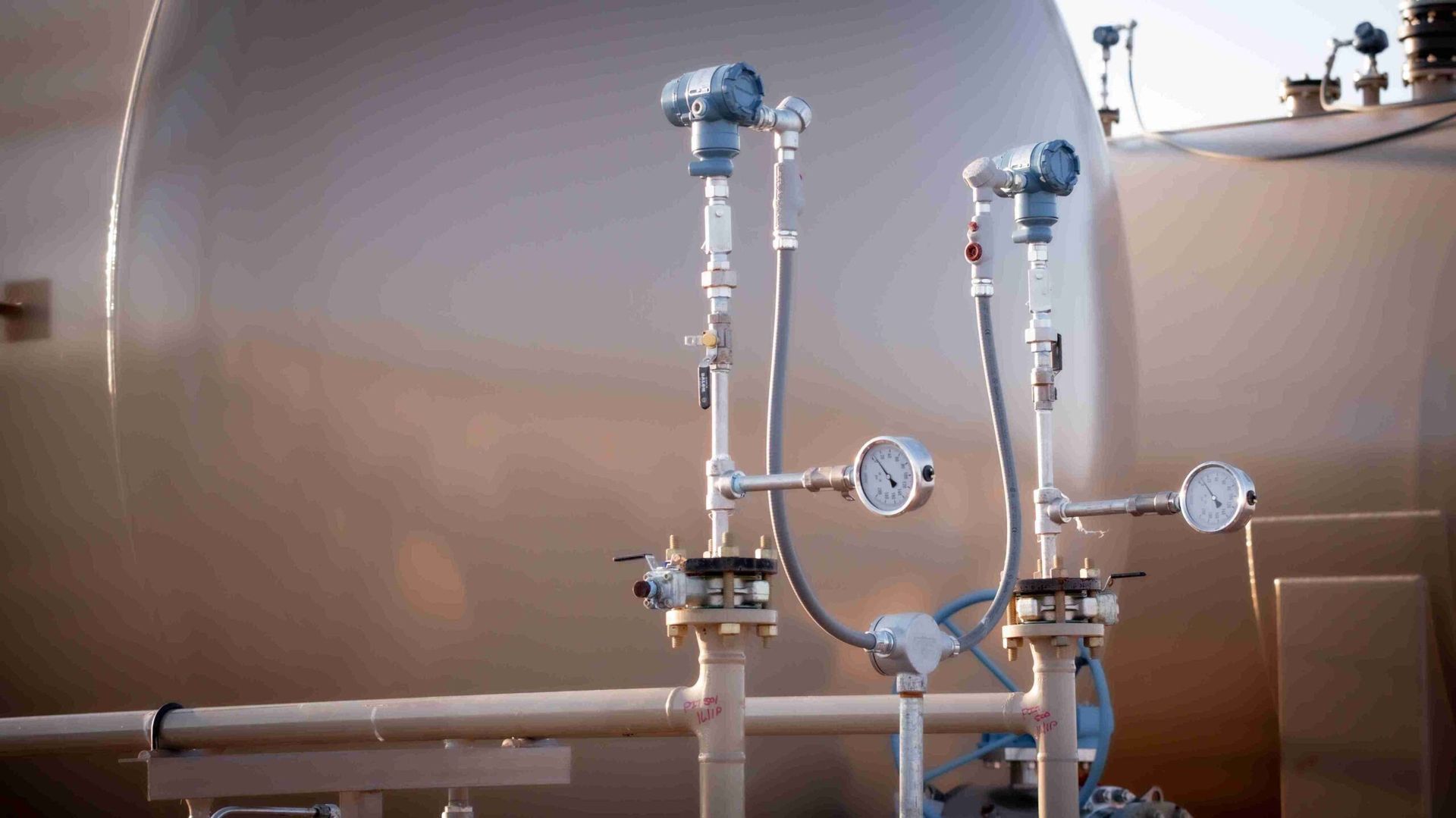
Apollo Resources’ HSV-01 Oil Treating Chemistry effectively eliminates 45,000 ppm of H2S in SENM
Treatment via proprietary quill injection using a static mixer
Challenge
A SENM operator sought Apollo’s expertise to address challenges with their H2S oil treatments. The operator faced frequent operational disruptions, including bi-weekly separator cleanouts due to sodium hydroxide byproducts, shutdowns caused by oil exceeding the contracted 100 ppm H2S limit—partly due to chemical pump failures—and a sharp rise in chemical consumption. These issues were reducing efficiency, driving up costs, and hindering production.
Solution
Apollo deployed its true redundant smart chemical injection skid, integrating the controller with the oil flow meter to optimize chemical dosing. To enhance treatment efficiency, Apollo’s proprietary injection quill was installed downstream of the main separator, ensuring precise chemical application. Additionally, the operator’s team was granted access to Apollo’s online platform, with write privileges assigned to key personnel for real-time monitoring and adjustments. To mitigate H2S while eliminating sodium hydroxide byproducts, Apollo implemented HSV-01, a highly effective, oil-dispersible, and non-triazene chemistry.
Results
After 30 days, the operator reported significant improvements in H2S management at the facility. There were zero out-of-spec H2S events, ensuring consistent compliance with contractual specifications and eliminating production disruptions. Additionally, the relocation of the injection point downstream of the heater treater proved highly effective, with centrifuged oil sample analysis confirming no increase in solids in the downstream oil.
The optimized treatment process also delivered substantial cost savings, reducing H2S treatment cost per barrel by 46%. Furthermore, the operator expressed increased confidence in Apollo’s chemistry and true redundant chemical injection skid, allowing them to eliminate the need for 24/7 onsite monitoring of H2S levels, leading to improved operational efficiency and reduced labor demands.