
3-Phase Treatment (Oil, Water, & Gas)
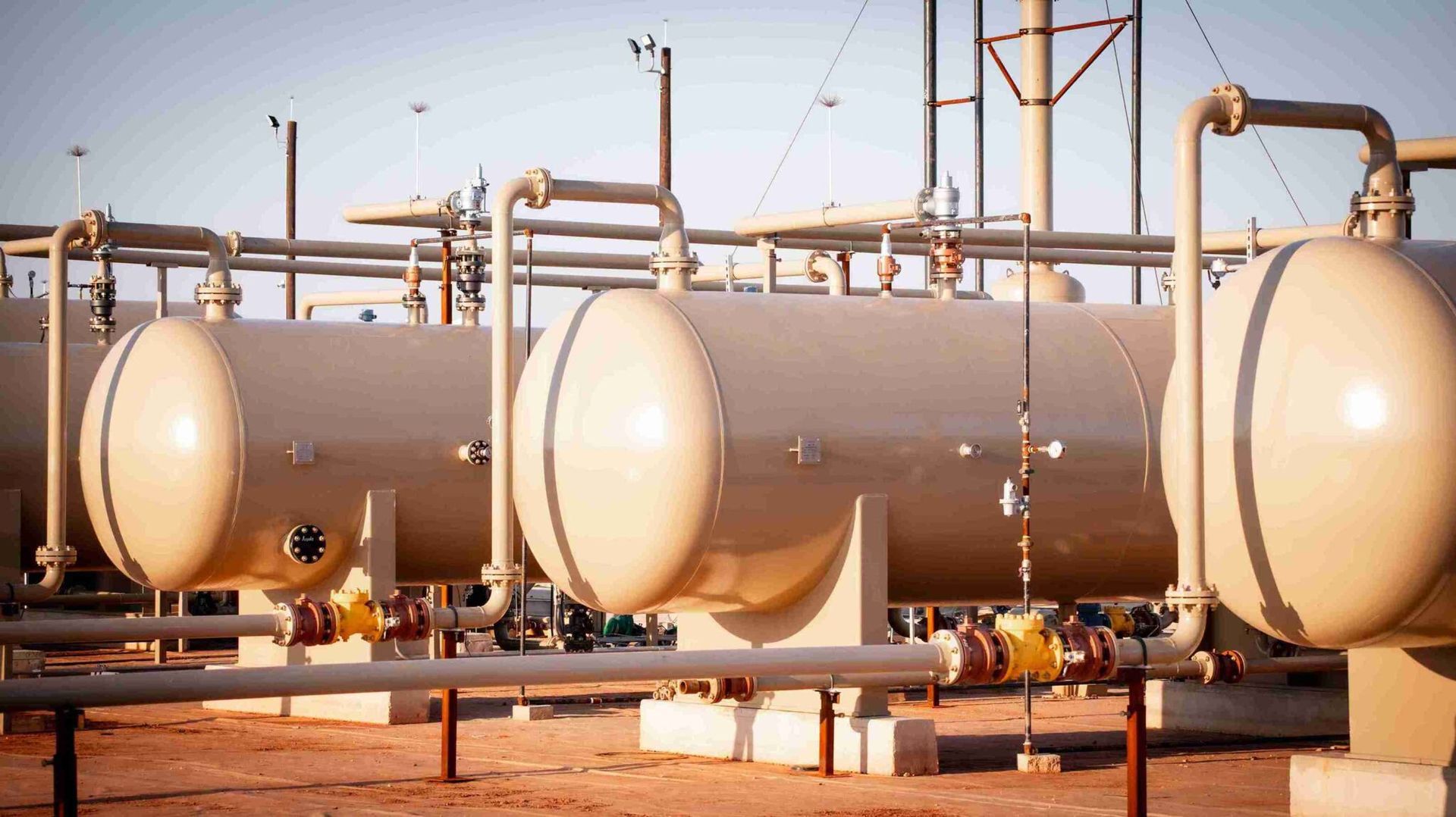
All Three Production Phases Treated Under One Scope
3-Phase Treatment (Oil, Water, & Gas) in Lubbock for complex South Plains sites requiring simultaneous chemical programs across oil, water, and gas streams
Complex South Plains production sites near Wolfforth and across South Plains oilfields often generate oil, water, and gas streams that each require chemical treatment, leaving operators managing three separate vendor relationships and absorbing the coordination failures that result when one phase's chemistry interferes with another or when accountability for system-wide performance disappears into finger-pointing between contractors. Apollo Resources scopes all three phases as one integrated treatment plan, eliminating the gaps that appear when oil scavenging, water clarification, and gas neutralization are handled by separate vendors using incompatible chemistries or conflicting injection schedules. You work with one technical team accountable for treatment performance across the entire production system, not three specialists who optimize their own phase without considering how their chemistry affects downstream separation or pipeline compliance.
This service delivers simultaneous chemical treatment for oil, water, and gas phases at production sites where complexity makes single-phase programs inadequate. The integrated approach prevents the chemistry conflicts and coordination delays that multi-vendor strategies create, particularly at sites where produced water affects oil quality or where gas breakthrough changes separator performance.
Schedule a multi-phase site assessment to evaluate oil, water, and gas treatment requirements across your South Plains operation.
What Integrated 3-Phase Programs Prevent
Integrated treatment programs begin with analysis of all three production phases to identify how each stream's chemistry affects the others and where single-phase optimization creates problems elsewhere in the system. That analysis determines which chemistries can coexist without causing emulsion, scaling, or neutralization interference, what injection points and application rates prevent phase-to-phase contamination, and how to sequence treatment so oil, water, and gas all meet their respective specifications without one phase's program compromising another's performance.
Apollo Resources maintains multi-phase treatment experience across West Texas lease sites where simultaneous oil scavenging, water clarification, and gas neutralization must function as one coordinated system. You see the difference when all three phases consistently meet specifications without the troubleshooting delays and rework costs that appear when separate vendors apply chemistries that conflict at the separator or when one contractor's program solves their phase's problem by pushing contamination into another stream.
The single-scope approach means you avoid the accountability gaps that arise when oil treatment succeeds but water disposal fails or when gas neutralization works but creates residuals that interfere with crude quality. One technical team manages chemistry compatibility, injection sequencing, and specification compliance across all three phases, so system-wide performance becomes predictable rather than dependent on how well three separate vendors happen to coordinate.
What Property Owners Usually Ask
Operators managing complex South Plains production sites ask how 3-phase treatment programs are coordinated and what problems integrated scoping prevents compared to managing separate vendors for each stream.
What does 3-phase treatment include?
The program covers chemical selection, application rate engineering, and injection sequencing for oil, water, and gas streams, with compatibility analysis to ensure one phase's chemistry does not interfere with another's performance—all managed as a single scope so you have one technical team accountable for system-wide specification compliance instead of three contractors optimizing their own phase in isolation.
How do you prevent chemistry conflicts between phases?
Compatibility analysis identifies which scavenger, clarifier, and neutralization chemistries can coexist in your separator without causing emulsion, scaling, or reaction interference, then determines injection points and timing that prevent one phase's treatment from contaminating another or reducing separation efficiency.
When do production sites require 3-phase treatment?
Sites require integrated programs when oil, water, and gas streams all need chemical treatment and when single-phase optimization has failed to deliver consistent specification compliance—common at South Plains locations where high water cuts affect oil quality, where sour gas breakthrough changes separator chemistry, or where produced water disposal requirements tighten while crude pipeline specs remain strict.
Why does vendor coordination fail at complex sites?
Separate vendors each optimize their assigned phase without visibility into how their chemistry affects other streams, leading to conflicts where oil scavengers create water emulsions, where water clarifiers leave residuals that contaminate crude, or where gas neutralization chemistry precipitates solids that foul separators—integrated scoping eliminates those conflicts by managing all three phases under one technical team.
What changes after integrated treatment reaches steady state?
You see oil, water, and gas all consistently meet their respective specifications, separation efficiency improves because chemistries no longer interfere with phase partitioning, and you eliminate the troubleshooting delays and re-treatment costs that previously appeared when one vendor's solution created problems for another phase.
Apollo Resources delivers single-source 3-phase treatment for production sites too complex for single-phase specialists, using integrated chemistry programs that prevent the coordination failures multi-vendor approaches create. Contact Apollo Resources to review oil, water, and gas treatment requirements at your South Plains site.